Buy italmundo.com ?
We are moving the project
italmundo.com .
Are you interested in purchasing the domain
italmundo.com ?
domain@kv-gmbh.de · 0541-91531010
Buy italmundo.com ?
Is possessiveness a disease?
Possessiveness is not considered a disease in the medical sense, but it can be a harmful trait that negatively impacts relationships and mental well-being. Excessive possessiveness can lead to controlling behavior, jealousy, and insecurity, which can strain relationships and cause distress for both the possessive individual and their partner. It is important to address possessiveness through communication, self-reflection, and potentially seeking therapy to work through underlying issues that may be contributing to this behavior. **
Is possessiveness also present in marriage?
Yes, possessiveness can be present in marriage. It can stem from feelings of insecurity, fear of losing one's partner, or a desire to control the relationship. While some level of possessiveness is normal in a romantic relationship, it can become unhealthy if it leads to jealousy, controlling behavior, or lack of trust. It is important for couples to communicate openly, set boundaries, and work on building trust to prevent possessiveness from negatively impacting their marriage. **

Similar search terms for Possessiveness
Top-Angebote
Products related to Possessiveness:
-
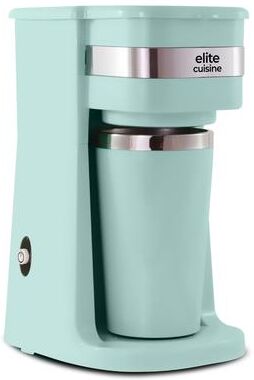
Elite Cuisine EHCL0062 Personal Single-Serve Coffee Maker With 12oz. Ss Travel MugThe Elite Cuisine Personal Single-Serve Coffee Maker is designed with a slim, modern profile that saves counter space and fits easily into tight areas. It’s an ideal choice for small kitchens at home or work, dorm rooms, and RVs.31,99 $*Shipping: 0,00 $Secure redirect to the provider
-
Kyle Books The Low Carb Italian Kitchen: Modern Mediterranean Recipes for Weight Loss and Better HealthPizza, pasta, tiramisu - surely these can't feature in a healthy low-carb diet!? However, the Mediterranean diet is widely acclaimed for its health benefits, and in the hands of Italian food and low-carb specialists Katie and Giancarlo Caldesi, everyone's favourite cuisine can become part of a healthy eating lifestyle.With ninety-three years of cooking experience and several bestsellers between them, Katie and Giancarlo have become leading advocates for the health benefits of a low-carb diet. Here, they show you how, in more than 80 fabulous Italian recipes, you can still eat some of the tastiest food on the planet while shedding weight and achieving a healthier, happier and more energized you.Using the Caldesi's bespoke CarbScale, The Low Carb Italian Kitchen ensures that anyone can enjoy delicious low-carb Italian food. From sugar-free dolci and low-carb pizza to portion-controlled pasta with abundant vegetables and delicious antipasti.12,99 £*Shipping: 2,99 £Secure redirect to the provider



-
What is the difference between possessiveness and jealousy?
Possessiveness is the desire to control or own something or someone, often stemming from a sense of ownership or entitlement. It can manifest as wanting to have power over a person or object. Jealousy, on the other hand, is an emotional response to a perceived threat or loss of something valuable, such as a relationship or possession. It often involves feelings of insecurity, fear of abandonment, or competition with others. While possessiveness is more about control and ownership, jealousy is more about fear of losing something important. **
-
What can I do about my jealousy and possessiveness?
To address jealousy and possessiveness, it is important to first acknowledge and understand the root causes of these feelings. Reflect on past experiences or insecurities that may be contributing to these emotions. Practice open communication with your partner about your feelings and work together to build trust and reassurance. Additionally, focus on building your self-esteem and confidence to reduce feelings of insecurity that may be fueling jealousy. Seeking support from a therapist or counselor can also be beneficial in addressing and managing these emotions. **
-
What is the cause of jealousy: love or possessiveness?
Jealousy can stem from both love and possessiveness. Love can lead to jealousy when there is a fear of losing the affection and attention of a loved one to someone else. Possessiveness, on the other hand, can also lead to jealousy when there is a strong desire to control and own the other person. Both love and possessiveness can trigger feelings of insecurity and fear of losing the connection with the person, which can result in jealousy. Ultimately, the cause of jealousy can be a complex combination of love and possessiveness. **
-
Is the concept of human partnership, love, without jealousy and possessiveness not possible?
The concept of human partnership and love without jealousy and possessiveness is possible, but it requires a deep level of trust, communication, and emotional maturity from both partners. It involves understanding that each person is an individual with their own autonomy and freedom, and that love does not equate to ownership. It requires a secure attachment style and the ability to manage insecurities and fears. While it may be challenging, it is achievable through open and honest communication, mutual respect, and a commitment to personal growth. **


How does the desire for control manifest in relationships through possessiveness and dominance?
The desire for control in relationships can manifest through possessiveness by wanting to have ownership and control over the other person. This can lead to jealousy, monitoring their activities, and trying to limit their interactions with others. Dominance can manifest through the need to have power and authority over the other person, leading to controlling behavior, making all the decisions, and using manipulation or coercion to maintain control. Both possessiveness and dominance can create an unhealthy dynamic in a relationship, leading to feelings of suffocation, lack of autonomy, and ultimately, the erosion of trust and intimacy. **
What are the characteristics of Mediterranean cuisine?
Mediterranean cuisine is known for its emphasis on fresh, seasonal ingredients such as fruits, vegetables, seafood, and olive oil. It also features a variety of herbs and spices, such as oregano, thyme, and garlic, which add depth of flavor to dishes. Additionally, Mediterranean cuisine often includes dishes that are grilled or roasted, as well as a focus on simple, yet flavorful preparations. Finally, the cuisine is also known for its use of grains, legumes, and nuts, such as couscous, chickpeas, and almonds, which add texture and heartiness to meals. **
Top-Angebote
Products related to Possessiveness:
-
Elite Cuisine EHC149 Single Serve Personal Coffee Maker with Stainless Steel Travel MugSingle serving coffee maker Includes 14-ounce insulated stainless steel interior and exterior travel mug Fits 5.9 inches height One-touch operation switch with power indicator Use ground coffee Equipped with a thermal reset switch to prevent...32,38 $*Shipping: 0,00 $Secure redirect to the provider
-
Elite Cuisine EHCL0062 Personal Single-Serve Coffee Maker With 12oz. Ss Travel MugThe Elite Cuisine Personal Single-Serve Coffee Maker is designed with a slim, modern profile that saves counter space and fits easily into tight areas. It’s an ideal choice for small kitchens at home or work, dorm rooms, and RVs.31,99 $*Shipping: 0,00 $Secure redirect to the provider
-
Kyle Books The Low Carb Italian Kitchen: Modern Mediterranean Recipes for Weight Loss and Better HealthPizza, pasta, tiramisu - surely these can't feature in a healthy low-carb diet!? However, the Mediterranean diet is widely acclaimed for its health benefits, and in the hands of Italian food and low-carb specialists Katie and Giancarlo Caldesi, everyone's favourite cuisine can become part of a healthy eating lifestyle.With ninety-three years of cooking experience and several bestsellers between them, Katie and Giancarlo have become leading advocates for the health benefits of a low-carb diet. Here, they show you how, in more than 80 fabulous Italian recipes, you can still eat some of the tastiest food on the planet while shedding weight and achieving a healthier, happier and more energized you.Using the Caldesi's bespoke CarbScale, The Low Carb Italian Kitchen ensures that anyone can enjoy delicious low-carb Italian food. From sugar-free dolci and low-carb pizza to portion-controlled pasta with abundant vegetables and delicious antipasti.12,99 £*Shipping: 2,99 £Secure redirect to the provider
-
Is possessiveness a disease?
Possessiveness is not considered a disease in the medical sense, but it can be a harmful trait that negatively impacts relationships and mental well-being. Excessive possessiveness can lead to controlling behavior, jealousy, and insecurity, which can strain relationships and cause distress for both the possessive individual and their partner. It is important to address possessiveness through communication, self-reflection, and potentially seeking therapy to work through underlying issues that may be contributing to this behavior. **
-
Is possessiveness also present in marriage?
Yes, possessiveness can be present in marriage. It can stem from feelings of insecurity, fear of losing one's partner, or a desire to control the relationship. While some level of possessiveness is normal in a romantic relationship, it can become unhealthy if it leads to jealousy, controlling behavior, or lack of trust. It is important for couples to communicate openly, set boundaries, and work on building trust to prevent possessiveness from negatively impacting their marriage. **
-
What is the difference between possessiveness and jealousy?
Possessiveness is the desire to control or own something or someone, often stemming from a sense of ownership or entitlement. It can manifest as wanting to have power over a person or object. Jealousy, on the other hand, is an emotional response to a perceived threat or loss of something valuable, such as a relationship or possession. It often involves feelings of insecurity, fear of abandonment, or competition with others. While possessiveness is more about control and ownership, jealousy is more about fear of losing something important. **
-
What can I do about my jealousy and possessiveness?
To address jealousy and possessiveness, it is important to first acknowledge and understand the root causes of these feelings. Reflect on past experiences or insecurities that may be contributing to these emotions. Practice open communication with your partner about your feelings and work together to build trust and reassurance. Additionally, focus on building your self-esteem and confidence to reduce feelings of insecurity that may be fueling jealousy. Seeking support from a therapist or counselor can also be beneficial in addressing and managing these emotions. **
Similar search terms for Possessiveness
-
What is the cause of jealousy: love or possessiveness?
Jealousy can stem from both love and possessiveness. Love can lead to jealousy when there is a fear of losing the affection and attention of a loved one to someone else. Possessiveness, on the other hand, can also lead to jealousy when there is a strong desire to control and own the other person. Both love and possessiveness can trigger feelings of insecurity and fear of losing the connection with the person, which can result in jealousy. Ultimately, the cause of jealousy can be a complex combination of love and possessiveness. **
-
Is the concept of human partnership, love, without jealousy and possessiveness not possible?
The concept of human partnership and love without jealousy and possessiveness is possible, but it requires a deep level of trust, communication, and emotional maturity from both partners. It involves understanding that each person is an individual with their own autonomy and freedom, and that love does not equate to ownership. It requires a secure attachment style and the ability to manage insecurities and fears. While it may be challenging, it is achievable through open and honest communication, mutual respect, and a commitment to personal growth. **
-
How does the desire for control manifest in relationships through possessiveness and dominance?
The desire for control in relationships can manifest through possessiveness by wanting to have ownership and control over the other person. This can lead to jealousy, monitoring their activities, and trying to limit their interactions with others. Dominance can manifest through the need to have power and authority over the other person, leading to controlling behavior, making all the decisions, and using manipulation or coercion to maintain control. Both possessiveness and dominance can create an unhealthy dynamic in a relationship, leading to feelings of suffocation, lack of autonomy, and ultimately, the erosion of trust and intimacy. **
-
What are the characteristics of Mediterranean cuisine?
Mediterranean cuisine is known for its emphasis on fresh, seasonal ingredients such as fruits, vegetables, seafood, and olive oil. It also features a variety of herbs and spices, such as oregano, thyme, and garlic, which add depth of flavor to dishes. Additionally, Mediterranean cuisine often includes dishes that are grilled or roasted, as well as a focus on simple, yet flavorful preparations. Finally, the cuisine is also known for its use of grains, legumes, and nuts, such as couscous, chickpeas, and almonds, which add texture and heartiness to meals. **
* All prices are inclusive of VAT and, if applicable, plus shipping costs. The offer information is based on the details provided by the respective shop and is updated through automated processes. Real-time updates do not occur, so deviations can occur in individual cases. ** Note: Parts of this content were created by AI.