Buy italmundo.com ?
We are moving the project
italmundo.com .
Are you interested in purchasing the domain
italmundo.com ?
domain@kv-gmbh.de · 0541-91531010
Buy italmundo.com ?
How is avoir formed?
The verb "avoir" is formed in the present tense by conjugating the verb as follows: j'ai (I have), tu as (you have), il/elle/on a (he/she/it has), nous avons (we have), vous avez (you have), ils/elles ont (they have). In the past tense, "avoir" is formed by using the auxiliary verb "avoir" followed by the past participle of the main verb. For example, "j'ai eu" (I had), "tu as eu" (you had), "il/elle/on a eu" (he/she/it had), "nous avons eu" (we had), "vous avez eu" (you had), "ils/elles ont eu" (they had). **
When do you conjugate "avoir"?
The verb "avoir" is conjugated when talking about possession or to form compound tenses such as the passé composé. In these cases, "avoir" is conjugated according to the subject of the sentence. For example, "J'ai un chat" (I have a cat) or "Nous avons mangé" (We have eaten). **

Similar search terms for Avoir
Top-Angebote
Products related to Avoir:
-
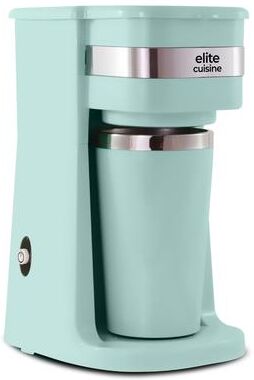
Elite Cuisine EHCL0062 Personal Single-Serve Coffee Maker With 12oz. Ss Travel MugThe Elite Cuisine Personal Single-Serve Coffee Maker is designed with a slim, modern profile that saves counter space and fits easily into tight areas. It’s an ideal choice for small kitchens at home or work, dorm rooms, and RVs.31,99 $*Shipping: 0,00 $Secure redirect to the provider
-
Kyle Books The Low Carb Italian Kitchen: Modern Mediterranean Recipes for Weight Loss and Better HealthPizza, pasta, tiramisu - surely these can't feature in a healthy low-carb diet!? However, the Mediterranean diet is widely acclaimed for its health benefits, and in the hands of Italian food and low-carb specialists Katie and Giancarlo Caldesi, everyone's favourite cuisine can become part of a healthy eating lifestyle.With ninety-three years of cooking experience and several bestsellers between them, Katie and Giancarlo have become leading advocates for the health benefits of a low-carb diet. Here, they show you how, in more than 80 fabulous Italian recipes, you can still eat some of the tastiest food on the planet while shedding weight and achieving a healthier, happier and more energized you.Using the Caldesi's bespoke CarbScale, The Low Carb Italian Kitchen ensures that anyone can enjoy delicious low-carb Italian food. From sugar-free dolci and low-carb pizza to portion-controlled pasta with abundant vegetables and delicious antipasti.12,99 £*Shipping: 2,99 £Secure redirect to the provider



-
What are the forms of avoir?
The forms of the verb "avoir" in French are: j'ai (I have), tu as (you have), il/elle/on a (he/she/it has), nous avons (we have), vous avez (you have), ils/elles ont (they have). These forms are used to express possession or to form compound tenses such as the passé composé. "Avoir" is an irregular verb in French and is one of the most commonly used verbs in the language. **
-
Does "Passer" use "avoir" or "être"?
"Passer" uses the auxiliary verb "avoir" in compound tenses. For example, in the passé composé, you would say "j'ai passé" (I have passed) using the verb "avoir" as the auxiliary. **
-
Can you help me conjugate avoir?
Sure! The verb "avoir" is conjugated as follows: - J'ai (I have) - Tu as (You have) - Il/Elle/On a (He/She/One has) - Nous avons (We have) - Vous avez (You have) - Ils/Elles ont (They have) **
-
When do you equate the PC with avoir?
I equate the PC with avoir when the verb in the passé composé is formed using the auxiliary verb "avoir" and the past participle of the main verb. This occurs when the action expressed by the main verb is performed by the subject of the sentence and does not involve a state of being or motion. For example, "J'ai mangé" (I ate) or "Elle a parlé" (She spoke) both use the auxiliary verb "avoir" to form the passé composé. **

When are the following verbs used with "avoir"?
The following verbs are used with "avoir" when they are in the past tense. This includes actions that have been completed in the past, such as "j'ai mangé" (I ate), "tu as parlé" (you spoke), and "il a joué" (he played). These verbs indicate actions that have already happened and are no longer ongoing. **
When is the subjunctive used after avoir besoin de?
The subjunctive is used after "avoir besoin de" when the subject of the main clause is different from the subject of the dependent clause. This is because "avoir besoin de" expresses a need or desire, which can create a sense of doubt or uncertainty. For example, "J'ai besoin que tu viennes" (I need you to come) uses the subjunctive because the subject of the main clause (je) is different from the subject of the dependent clause (tu). **
Top-Angebote
Products related to Avoir:
-
Elite Cuisine EHC149 Single Serve Personal Coffee Maker with Stainless Steel Travel MugSingle serving coffee maker Includes 14-ounce insulated stainless steel interior and exterior travel mug Fits 5.9 inches height One-touch operation switch with power indicator Use ground coffee Equipped with a thermal reset switch to prevent...32,38 $*Shipping: 0,00 $Secure redirect to the provider
-
Elite Cuisine EHCL0062 Personal Single-Serve Coffee Maker With 12oz. Ss Travel MugThe Elite Cuisine Personal Single-Serve Coffee Maker is designed with a slim, modern profile that saves counter space and fits easily into tight areas. It’s an ideal choice for small kitchens at home or work, dorm rooms, and RVs.31,99 $*Shipping: 0,00 $Secure redirect to the provider
-
Kyle Books The Low Carb Italian Kitchen: Modern Mediterranean Recipes for Weight Loss and Better HealthPizza, pasta, tiramisu - surely these can't feature in a healthy low-carb diet!? However, the Mediterranean diet is widely acclaimed for its health benefits, and in the hands of Italian food and low-carb specialists Katie and Giancarlo Caldesi, everyone's favourite cuisine can become part of a healthy eating lifestyle.With ninety-three years of cooking experience and several bestsellers between them, Katie and Giancarlo have become leading advocates for the health benefits of a low-carb diet. Here, they show you how, in more than 80 fabulous Italian recipes, you can still eat some of the tastiest food on the planet while shedding weight and achieving a healthier, happier and more energized you.Using the Caldesi's bespoke CarbScale, The Low Carb Italian Kitchen ensures that anyone can enjoy delicious low-carb Italian food. From sugar-free dolci and low-carb pizza to portion-controlled pasta with abundant vegetables and delicious antipasti.12,99 £*Shipping: 2,99 £Secure redirect to the provider
-
How is avoir formed?
The verb "avoir" is formed in the present tense by conjugating the verb as follows: j'ai (I have), tu as (you have), il/elle/on a (he/she/it has), nous avons (we have), vous avez (you have), ils/elles ont (they have). In the past tense, "avoir" is formed by using the auxiliary verb "avoir" followed by the past participle of the main verb. For example, "j'ai eu" (I had), "tu as eu" (you had), "il/elle/on a eu" (he/she/it had), "nous avons eu" (we had), "vous avez eu" (you had), "ils/elles ont eu" (they had). **
-
When do you conjugate "avoir"?
The verb "avoir" is conjugated when talking about possession or to form compound tenses such as the passé composé. In these cases, "avoir" is conjugated according to the subject of the sentence. For example, "J'ai un chat" (I have a cat) or "Nous avons mangé" (We have eaten). **
-
What are the forms of avoir?
The forms of the verb "avoir" in French are: j'ai (I have), tu as (you have), il/elle/on a (he/she/it has), nous avons (we have), vous avez (you have), ils/elles ont (they have). These forms are used to express possession or to form compound tenses such as the passé composé. "Avoir" is an irregular verb in French and is one of the most commonly used verbs in the language. **
-
Does "Passer" use "avoir" or "être"?
"Passer" uses the auxiliary verb "avoir" in compound tenses. For example, in the passé composé, you would say "j'ai passé" (I have passed) using the verb "avoir" as the auxiliary. **
Similar search terms for Avoir
-
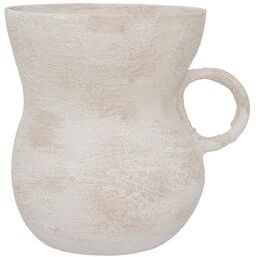
Urban Nature Culture Vase RelaxedQuiet elegancy comes to life in Urban Nature Culture's vase Relaxed. Handmade in Portugal, this ceramic vase has a shape beyond anything you've seen - it's organic, it flows and steals your heart with its playful ear.123,40 $*Shipping: 0,00 $Secure redirect to the provider
-
Can you help me conjugate avoir?
Sure! The verb "avoir" is conjugated as follows: - J'ai (I have) - Tu as (You have) - Il/Elle/On a (He/She/One has) - Nous avons (We have) - Vous avez (You have) - Ils/Elles ont (They have) **
-
When do you equate the PC with avoir?
I equate the PC with avoir when the verb in the passé composé is formed using the auxiliary verb "avoir" and the past participle of the main verb. This occurs when the action expressed by the main verb is performed by the subject of the sentence and does not involve a state of being or motion. For example, "J'ai mangé" (I ate) or "Elle a parlé" (She spoke) both use the auxiliary verb "avoir" to form the passé composé. **
-
When are the following verbs used with "avoir"?
The following verbs are used with "avoir" when they are in the past tense. This includes actions that have been completed in the past, such as "j'ai mangé" (I ate), "tu as parlé" (you spoke), and "il a joué" (he played). These verbs indicate actions that have already happened and are no longer ongoing. **
-
When is the subjunctive used after avoir besoin de?
The subjunctive is used after "avoir besoin de" when the subject of the main clause is different from the subject of the dependent clause. This is because "avoir besoin de" expresses a need or desire, which can create a sense of doubt or uncertainty. For example, "J'ai besoin que tu viennes" (I need you to come) uses the subjunctive because the subject of the main clause (je) is different from the subject of the dependent clause (tu). **
* All prices are inclusive of VAT and, if applicable, plus shipping costs. The offer information is based on the details provided by the respective shop and is updated through automated processes. Real-time updates do not occur, so deviations can occur in individual cases. ** Note: Parts of this content were created by AI.