Buy italmundo.com ?
We are moving the project
italmundo.com .
Are you interested in purchasing the domain
italmundo.com ?
domain@kv-gmbh.de · 0541-91531010
Buy italmundo.com ?
What are biomedical disease models?
Biomedical disease models are tools used in research to study and understand human diseases. These models can be in the form of cell cultures, animal models, or computer simulations that mimic the characteristics and progression of a specific disease. By using these models, researchers can investigate the underlying mechanisms of diseases, test potential treatments, and develop new therapies to improve human health. Overall, biomedical disease models play a crucial role in advancing our knowledge of diseases and finding ways to prevent, diagnose, and treat them effectively. **
What does a biomedical engineer do?
A biomedical engineer applies engineering principles and design concepts to medicine and biology for healthcare purposes. They work on developing medical devices, equipment, and software to improve patient care and treatment outcomes. Biomedical engineers also conduct research to solve clinical problems and improve healthcare technologies. Their work involves collaborating with healthcare professionals, scientists, and other engineers to create innovative solutions for the medical field. **

Similar search terms for Biomedical
Top-Angebote
Products related to Biomedical:
-
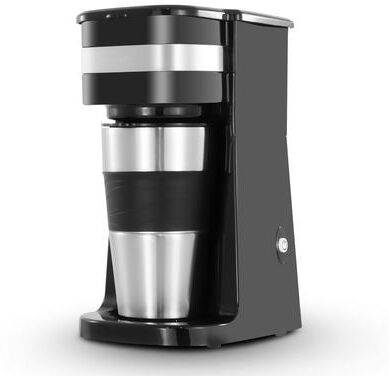
Elite Cuisine EHCL0062 Personal Single-Serve Coffee Maker With 12oz. Ss Travel MugThe Elite Cuisine Personal Single-Serve Coffee Maker is designed with a slim, modern profile that saves counter space and fits easily into tight areas. It’s an ideal choice for small kitchens at home or work, dorm rooms, and RVs.31,99 $*Shipping: 0,00 $Secure redirect to the provider
-
Kyle Books The Low Carb Italian Kitchen: Modern Mediterranean Recipes for Weight Loss and Better HealthPizza, pasta, tiramisu - surely these can't feature in a healthy low-carb diet!? However, the Mediterranean diet is widely acclaimed for its health benefits, and in the hands of Italian food and low-carb specialists Katie and Giancarlo Caldesi, everyone's favourite cuisine can become part of a healthy eating lifestyle.With ninety-three years of cooking experience and several bestsellers between them, Katie and Giancarlo have become leading advocates for the health benefits of a low-carb diet. Here, they show you how, in more than 80 fabulous Italian recipes, you can still eat some of the tastiest food on the planet while shedding weight and achieving a healthier, happier and more energized you.Using the Caldesi's bespoke CarbScale, The Low Carb Italian Kitchen ensures that anyone can enjoy delicious low-carb Italian food. From sugar-free dolci and low-carb pizza to portion-controlled pasta with abundant vegetables and delicious antipasti.12,99 £*Shipping: 2,99 £Secure redirect to the provider




-
What is a biomedical specialist analyst?
A biomedical specialist analyst is a professional who specializes in analyzing and interpreting data related to biomedical research and healthcare. They use their expertise to evaluate the effectiveness of medical treatments, identify trends in disease prevalence, and assess the impact of new technologies on patient outcomes. These analysts play a crucial role in helping healthcare organizations make informed decisions and improve patient care. They may work in a variety of settings, including hospitals, research institutions, pharmaceutical companies, and government agencies. **
-
Where can one study Biomedical Analytics?
One can study Biomedical Analytics at various universities and colleges that offer programs in health informatics, bioinformatics, or biomedical data science. Some well-known institutions that offer programs in Biomedical Analytics include Stanford University, Harvard University, Johns Hopkins University, and the University of California, Los Angeles. Additionally, there are online programs and professional certifications available for those looking to specialize in Biomedical Analytics. **
-
How can one transition from a biomedical analyst to forensics?
To transition from a biomedical analyst to forensics, one could consider pursuing additional education or training in forensic science or a related field. This could involve obtaining a certification or a master's degree in forensic science. It may also be beneficial to gain experience through internships or volunteer opportunities in forensic labs or with law enforcement agencies. Networking with professionals in the field of forensics and attending relevant conferences or workshops can also help in making the transition. **
-
Is there a difference between medical technology and biomedical engineering?
Yes, there is a difference between medical technology and biomedical engineering. Medical technology refers to the tools, equipment, and procedures used in healthcare to diagnose, monitor, and treat patients. Biomedical engineering, on the other hand, is a field that combines principles of engineering and biology to develop innovative solutions for healthcare challenges. Biomedical engineers design and create medical devices, equipment, and systems to improve patient care and advance medical research. In summary, medical technology is a component of healthcare that includes products and procedures, while biomedical engineering is a specialized field that focuses on applying engineering principles to healthcare. **


How can one become self-employed as a biomedical engineer?
To become self-employed as a biomedical engineer, one can start by gaining experience and expertise in the field through education and work experience. It is important to build a strong network of contacts within the industry to potentially secure clients or projects. Developing a business plan and identifying a niche market within biomedical engineering can help set one apart from competitors. Additionally, obtaining any necessary certifications or licenses and staying current with advancements in the field can help ensure success as a self-employed biomedical engineer. **
What are the differences between medical technology and biomedical engineering?
Medical technology refers to the tools, equipment, and techniques used in healthcare to diagnose, monitor, and treat patients. This can include devices like MRI machines, surgical instruments, and diagnostic tests. Biomedical engineering, on the other hand, is a field of engineering that focuses on applying engineering principles and design concepts to medicine and biology. Biomedical engineers work to develop new medical devices, improve existing technologies, and create innovative solutions to healthcare challenges. While medical technology is the practical application of healthcare tools, biomedical engineering involves the research, development, and design of these tools. **
Top-Angebote
Products related to Biomedical:
-
Elite Cuisine EHC149 Single Serve Personal Coffee Maker with Stainless Steel Travel MugSingle serving coffee maker Includes 14-ounce insulated stainless steel interior and exterior travel mug Fits 5.9 inches height One-touch operation switch with power indicator Use ground coffee Equipped with a thermal reset switch to prevent...32,38 $*Shipping: 0,00 $Secure redirect to the provider
-
Elite Cuisine EHCL0062 Personal Single-Serve Coffee Maker With 12oz. Ss Travel MugThe Elite Cuisine Personal Single-Serve Coffee Maker is designed with a slim, modern profile that saves counter space and fits easily into tight areas. It’s an ideal choice for small kitchens at home or work, dorm rooms, and RVs.31,99 $*Shipping: 0,00 $Secure redirect to the provider
-
Kyle Books The Low Carb Italian Kitchen: Modern Mediterranean Recipes for Weight Loss and Better HealthPizza, pasta, tiramisu - surely these can't feature in a healthy low-carb diet!? However, the Mediterranean diet is widely acclaimed for its health benefits, and in the hands of Italian food and low-carb specialists Katie and Giancarlo Caldesi, everyone's favourite cuisine can become part of a healthy eating lifestyle.With ninety-three years of cooking experience and several bestsellers between them, Katie and Giancarlo have become leading advocates for the health benefits of a low-carb diet. Here, they show you how, in more than 80 fabulous Italian recipes, you can still eat some of the tastiest food on the planet while shedding weight and achieving a healthier, happier and more energized you.Using the Caldesi's bespoke CarbScale, The Low Carb Italian Kitchen ensures that anyone can enjoy delicious low-carb Italian food. From sugar-free dolci and low-carb pizza to portion-controlled pasta with abundant vegetables and delicious antipasti.12,99 £*Shipping: 2,99 £Secure redirect to the provider
-
What are biomedical disease models?
Biomedical disease models are tools used in research to study and understand human diseases. These models can be in the form of cell cultures, animal models, or computer simulations that mimic the characteristics and progression of a specific disease. By using these models, researchers can investigate the underlying mechanisms of diseases, test potential treatments, and develop new therapies to improve human health. Overall, biomedical disease models play a crucial role in advancing our knowledge of diseases and finding ways to prevent, diagnose, and treat them effectively. **
-
What does a biomedical engineer do?
A biomedical engineer applies engineering principles and design concepts to medicine and biology for healthcare purposes. They work on developing medical devices, equipment, and software to improve patient care and treatment outcomes. Biomedical engineers also conduct research to solve clinical problems and improve healthcare technologies. Their work involves collaborating with healthcare professionals, scientists, and other engineers to create innovative solutions for the medical field. **
-
What is a biomedical specialist analyst?
A biomedical specialist analyst is a professional who specializes in analyzing and interpreting data related to biomedical research and healthcare. They use their expertise to evaluate the effectiveness of medical treatments, identify trends in disease prevalence, and assess the impact of new technologies on patient outcomes. These analysts play a crucial role in helping healthcare organizations make informed decisions and improve patient care. They may work in a variety of settings, including hospitals, research institutions, pharmaceutical companies, and government agencies. **
-
Where can one study Biomedical Analytics?
One can study Biomedical Analytics at various universities and colleges that offer programs in health informatics, bioinformatics, or biomedical data science. Some well-known institutions that offer programs in Biomedical Analytics include Stanford University, Harvard University, Johns Hopkins University, and the University of California, Los Angeles. Additionally, there are online programs and professional certifications available for those looking to specialize in Biomedical Analytics. **
Similar search terms for Biomedical
-
How can one transition from a biomedical analyst to forensics?
To transition from a biomedical analyst to forensics, one could consider pursuing additional education or training in forensic science or a related field. This could involve obtaining a certification or a master's degree in forensic science. It may also be beneficial to gain experience through internships or volunteer opportunities in forensic labs or with law enforcement agencies. Networking with professionals in the field of forensics and attending relevant conferences or workshops can also help in making the transition. **
-
Is there a difference between medical technology and biomedical engineering?
Yes, there is a difference between medical technology and biomedical engineering. Medical technology refers to the tools, equipment, and procedures used in healthcare to diagnose, monitor, and treat patients. Biomedical engineering, on the other hand, is a field that combines principles of engineering and biology to develop innovative solutions for healthcare challenges. Biomedical engineers design and create medical devices, equipment, and systems to improve patient care and advance medical research. In summary, medical technology is a component of healthcare that includes products and procedures, while biomedical engineering is a specialized field that focuses on applying engineering principles to healthcare. **
-
How can one become self-employed as a biomedical engineer?
To become self-employed as a biomedical engineer, one can start by gaining experience and expertise in the field through education and work experience. It is important to build a strong network of contacts within the industry to potentially secure clients or projects. Developing a business plan and identifying a niche market within biomedical engineering can help set one apart from competitors. Additionally, obtaining any necessary certifications or licenses and staying current with advancements in the field can help ensure success as a self-employed biomedical engineer. **
-
What are the differences between medical technology and biomedical engineering?
Medical technology refers to the tools, equipment, and techniques used in healthcare to diagnose, monitor, and treat patients. This can include devices like MRI machines, surgical instruments, and diagnostic tests. Biomedical engineering, on the other hand, is a field of engineering that focuses on applying engineering principles and design concepts to medicine and biology. Biomedical engineers work to develop new medical devices, improve existing technologies, and create innovative solutions to healthcare challenges. While medical technology is the practical application of healthcare tools, biomedical engineering involves the research, development, and design of these tools. **
* All prices are inclusive of VAT and, if applicable, plus shipping costs. The offer information is based on the details provided by the respective shop and is updated through automated processes. Real-time updates do not occur, so deviations can occur in individual cases. ** Note: Parts of this content were created by AI.